
Di cosa è fatto il velluto: una guida completa ai tipi e agli usi
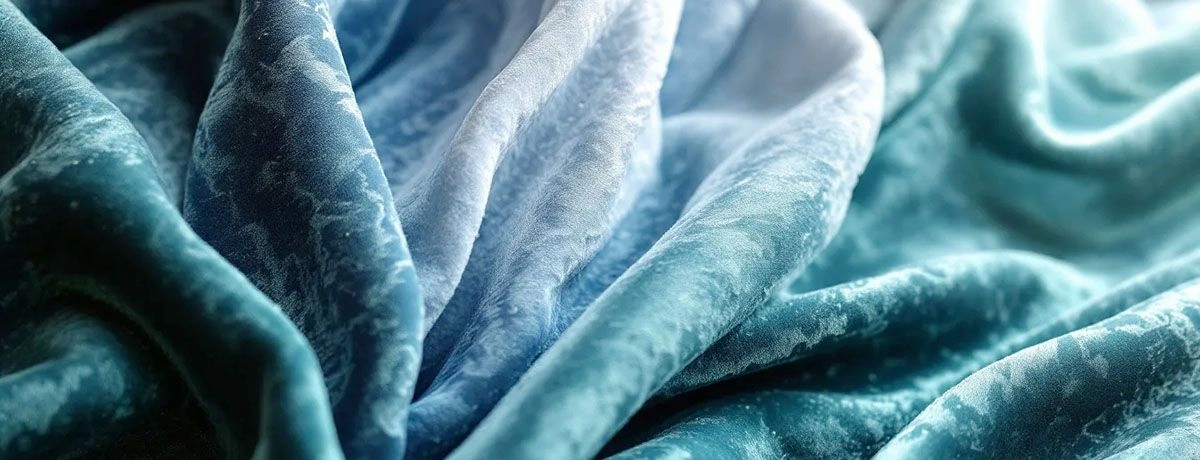
Velvet is made from silk, cotton, or synthetic fibers like poliestere and rayon, woven on a special double-cloth loom that creates its signature short, dense pile. The fiber you choose, not the weave, is what decides whether velvet feels like luxury silk or a hard-wearing upholstery cotton. This guide breaks down the three fiber families, eight velvet types, and where each one belongs.
Punti chiave
- Velvet is defined by its weave (a cut pile under 0.5 cm), not one fiber. It can be silk, cotton, linen, mohair, polyester, rayon, or blends.
- For sustainability, natural-fiber velvet (GOTS-certified cotton or silk) biodegrades, while polyester velvet sheds microplastics that persist 200+ years.
What Is Velvet Actually Made Of?
Velvet is a warp-pile fabric built from various materials across one of three fiber families: natural protein (silk), natural cellulose (cotton, linen, viscose/rayon), or petroleum-based synthetics (polyester, nylon, spandex).
Silk is the original velvet fiber, prized for its sheen and drape, while cotton velvet is sturdier and less expensive, and cotton and synthetics now dominate everyday and upholstery use. Modern velvet can be made from silk, linen, cotton, wool, or modern synthetics like polyester and rayon, and blends of natural and synthetic fibers are common across different materials, often combined with durable polyester Mini Matt fabric or polyester Super Poly fabric for sportswear in coordinated collections.
The key thing to understand: velvet is a structure, not a material. Two velvets can share an identical pile and look nearly the same on a roll, yet behave completely differently because one is silk and the other polyester. That's why "what is velvet made of" doesn't have a single answer, it has a fiber spectrum.
-
Velluto di seta harvested from silkworms, the original luxury grade.
-
Velluto di cotone more affordable and durable, the upholstery workhorse.
-
Rayon/viscose velvet mimics silk's softness at a lower price.
-
Polyester and blended velvet valued for durability and easy care.
What Are the Main Types of Velvet?
There are three core fiber-based different types of velvet, silk, cotton, and synthetic, plus a family of specialty weaves built on top of them. Velvet also comes in different forms depending on fiber and finish, so the fastest way to choose is to match the fiber to the job: silk for drape and luxury, cotton for upholstery durability, synthetics for budget and easy care. Here's how the three compare at a glance.
Velluto di seta
Silk velvet fabric is the soft, lightweight, shimmery original, woven from fibers harvested from silkworms. Its standout trait is drappo: it falls in fluid lines that make it the default for high-end fashion and, because of its cost, it was originally reserved for royalty, showing up in capes, evening wear, maxi-dresses, and designer cushions for special occasions. It's also the most expensive and the least abrasion-resistant, so it rarely belongs on a sofa.
Velluto di cotone
Velluto di cotone trades sheen for sturdiness. Made from cotton (often organic), it has a matte, dense surface that holds up to daily wear, which is why it's the go-to for tappezzeria. It gives you the plush velvet look with the resilience furniture demands, a balance silk can't match, and is one of the most popular upholstery fabric options for sofas.
velluto sintetico
Synthetic velvet is usually made from polyester, a common modern fiber used for budget-friendly velvet, and stretch velvet often incorporates spandex to provide elasticity, similar in feel and performance to tessuto elasticizzato in poliestere spandex. It's durable, easy to clean, and cheap, which makes it the most common velvet sold today. The catch: polyester velvet can melt under high heat, leaving uneven patches, so steam and hot irons are off the table. Velveteen, a short-pile cousin, is woven from cotton or a silk-cotton blend rather than real velvet proper.
Specialty Velvets
Beyond the three fiber grades, weavers create texture-driven specialties:
- Velluto schiacciato twisted while wet for a random, broken sheen (velluto schiacciato).
- velluto panné a crushed type with the pile flattened in one direction for a glossy finish.
- Velluto goffrato raised patterns pressed in with heat and pressure, creating an embossed section that stands out against the surrounding velvet pile.
- Velluto martellato high-luster, its surface left firmly pressed per aspetto brillante with a dappled finish.
- Velluto chiffon an ultra-sheer fabric commonly used in eveningwear, often paired with other tessuto chiffon all'ingrosso in dresses and overlays.
- Velluto a pelo lungo varied pile heights cut to form textured patterns.
- Velluto svuotato a type of velvet with sections that have pile and sections without it to create patterned designs.
- Linen, wool, and mohair velvet breathable or warm niche options for drapery and winter wear.
- velluto di Lione a dense fabric suited to outerwear.
How Is Velvet Woven?
Velvet cloth is woven as a double fabric and then cut apart to form the pile, creating two layers at once on a double-cloth loom, and later sewn with durable fili per cucire in poliestere filato come Filo da cucito in poliestere 40/2 in garment and upholstery production. This is the single feature that defines velvet: a tufted fabric with evenly distributed cut fili and a short, dense pile, typically under half a centimeter. No double-cloth loom, no true velvet.
Velvet originated in Baghdad around 750 A.D. before spreading through east asia and later Europe. The first recorded mention came in the 14th century, and it became popular in Europe during the Renaissance.
The technique matters commercially because it's slower and more material-intensive than flat weaving, which is exactly why velvet historically signaled wealth. Pile-on-pile velvet pushes the method further, and in the manufacturing process the pile is cut to different heights so a single fabric carries a raised, sculptural pattern, popular for statement upholstery on headboards, ottomans, and sofas. Later, advances in loom technology reduced velvet production costs and widened access beyond elites, reshaping velvet production for a broader market.
How Sustainable Is Velvet?
Velvet's environmental impact depends almost entirely on its fiber. Natural fibers (organic cotton, silk) biodegrade; synthetics (polyester, nylon) shed microplastics that persist for 200+ years. There is no single "green velvet," only fiber trade-offs.
The numbers are stark on the synthetic side. A single domestic laundry load can release up to ~700,000 microfibers into wastewater, and polyester textiles shed roughly 20–800 mg of microplastic per kg per wash. By contrast, cotton microfibers biodegrade 89% in wastewater within 40 days.
Natural fibers aren't impact-free, though. Cotton is water- and pesticide-intensive, and rayon/viscose production can involve carbon disulfide (CS₂), a toxic chemical, when poorly regulated. The takeaway for sourcing: judge velvet by fiber and certification, not by the word "velvet" on a label. See our natural vs synthetic velvet breakdown for upholstery-specific guidance.
What Is Velvet Used For?
Velvet spans fashion and interiors as a soft fabric with a luxurious feel. In apparel it appears in evening gowns, suits, jackets, jumpsuits—where stretch or fluid velvets can create wide legged silhouettes—maxi-dresses, and scarves, and many designers use it for evening wear and other special occasions because it pairs well with other fabrics and complements polyester satin evening wear fabrics. In the home it works in home decor as upholstery, curtains, drapery, and throws, where it also absorbs sound and softens a room acoustically.
For furniture specifically, cotton and embossed velvet handle high-traffic areas like living rooms, making it a practical choice for selected uses, while pile-on-pile velvet adds dimensional pattern to chairs, sofas, and headboards, and Tessuto per tappezzeria in velluto olandese offers a soft, durable polyester option that pairs well with polyester Tessuto Oxford for home accessories. Thinner, flexible velvets suit delicate or decorative garments. If you're weighing velvet for a sofa, our guide on whether velvet is a good fabric for a couch covers the durability math in detail.
How Do You Care for Velvet?
The core rule: steam velvet gently between uses instead of ironing, since direct heat and pressure crush the pile permanently. Clean spills immediately to prevent stains from setting. For spot-cleaning upholstery, use a damp cloth with a mild stain remover. Crushed velvet is the exception, never steam it; heat distorts its deliberately uneven texture, so use cool water and gentle methods only.
For storage, lay velvet flat to avoid creasing rather than hanging it, and use a breathable garment bag to protect against moisture and insects; velvet can also be sensitive to heat and sunlight, so keep it away from direct sun and hot storage areas. These habits matter most for high-value pieces in silk or other tessuti di qualità, where they help keep the pile in pristine condition because a crushed pile can't be fully restored.
Domande frequenti
Qual è la differenza tra velluto di seta e velluto sintetico?
Silk velvet, made from natural silkworm fibers, is softer, lighter, and more lustrous, with superior drape for high-end fashion. Synthetic velvet, usually polyester, is more durable, easier to clean, and far cheaper, but it can melt under high heat and sheds microplastics. Silk suits garments; synthetics suit budget and everyday use.
Can velvet be used for upholstery?
Yes. Cotton velvet and embossed velvet are durable enough for high-traffic furniture like living-room sofas, making velvet a popular upholstery fabric, while pile-on-pile velvet adds textured patterns to chairs and headboards, and some upholstery velvet is shaved to different lengths for added texture. Silk velvet is too delicate for daily-use furniture and is better reserved for cushions or decorative pieces.
Come si pulisce un rivestimento in velluto?
Spot-clean with a damp cloth on the base fabric as little as possible, treat the surface gently with a mild stain remover, and steam (not iron) most velvets to refresh the pile. Keep velvet away from direct sunlight and high heat, which can damage the pile. Never steam crushed velvet, heat ruins its texture; use cool water instead. Store garments flat in a breathable bag to prevent creasing and moisture damage.
Contatta MH
MH supplies silk, cotton, and synthetic velvet fabrics for fashion and upholstery, including GOTS-eligible natural-fiber options. Reach out for specifications, samples, or wholesale pricing.