
La guida definitiva ai nastri colorati: stili e significati spiegati
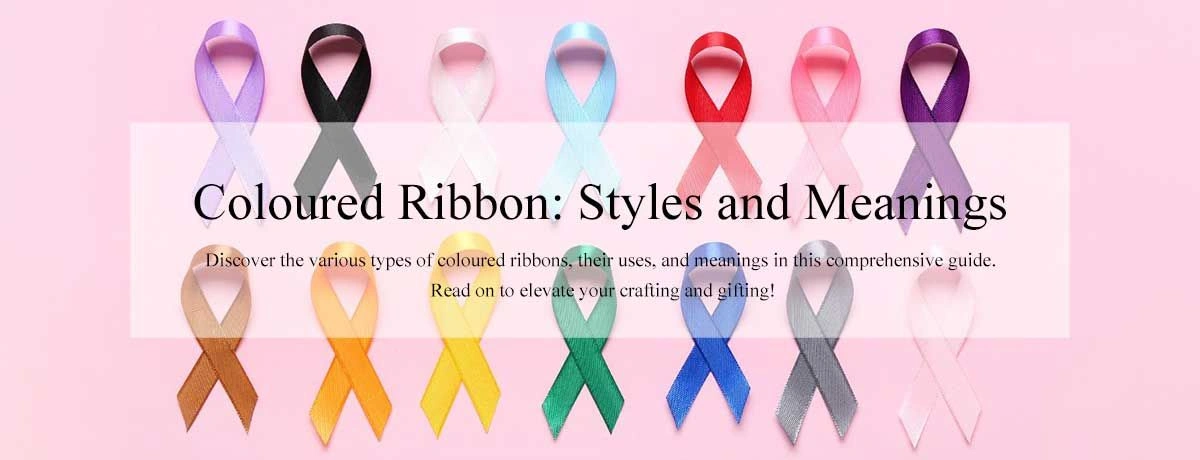
Punti chiave
-
Coloured ribbons have been a widely recognised system of cause awareness for decades now, with the very first modern ribbon - a red one to flag HIV/AIDS - being launched by Visual AIDS back in 1991.
-
There are 9 main types of ribbon fabric, but the ones you'll mostly come across (satin, grosgrain and jacquard) are pretty well suited for awareness causes.
-
There are loads of colour-cause associations - think red for cancer, teal for ovarian cancer and green for mental health.
-
Then there are three special ribbon designs (puzzle, rainbow, and teal) that carry a bit more weight, with symbolic meaning beyond just the colour.
-
A successful ribbon campaign is one that brings together physical and digital elements to get as much attention as possible.
What Are Coloured Ribbons?
Coloured ribbons are small bits of folded fabric that people wear or display as a symbol of support or solidarity for a particular cause. They've been a part of everyday life for a pretty long time now. You've probably seen them at charity events, on car antennas, or even on hospital staff uniforms - and that's because they've got a clear meaning behind them.
But did you know where they actually came from? Yellow ribbons were used way back during the American Civil War as a symbol of waiting and hope - and then they popped back up again during the 1979 Iranian Hostage Crisis. Then in 1991, Visual AIDS launched the first HIV/AIDS awareness ribbon and suddenly the whole world had a template to follow.
For a very long time now, coloured ribbons have been a super effective way for people to show their support for causes, whether it's a health issue or a social justice one. Put simply, each colour signals a specific meaning, so you can show you care without having to say a word - and that's great for grassroots public awareness campaigns.
How and Where Do Coloured Ribbons Get Used?
Nowadays, you see ribbons almost everywhere - it's not just about decorating gifts or events anymore. Ribbons show up at charity walks, hospital fundraisers and even politics rallies. You might even see them on school bulletin boards in Mental Health Awareness Month or on product packaging for companies trying to do a bit of good.
What Makes Coloured Ribbons So Special?
So why do ribbons work so well? Well, for a start they're affordable to produce, easy to wear and instantly recognisable. One little ribbon on the lapel of your shirt can spark conversations that the most informative brochures can't. And according to the World Health Organisation, visual symbols like ribbons beat out text-only campaigns for changing behaviour over time. That's what makes them so good.
What Types of Coloured Ribbons Are There?
Not all ribbons are created equal - it's not just about the colour, it's about the fabric they're made of. There are 5 primary fabric types used for awareness and decorative ribbons - each has its own unique character and is suited to different applications.
Ribbons for awareness and decoration mostly fall into 5 fabric types: satin (glossy finish), grosgrain (a textured finish for durability), jacquard (woven with intricate designs), wired (keeps its shape for displays), and taffeta (crisp and semi-transparent). Knowing the differences helps you pick the right ribbon for the job.
Nastri di raso
A nastro di raso has a slippery smooth finish, which is great for awareness ribbons worn on clothes - it lies flat against the shirt and looks good. Satin holds colour really well, especially if you're going for something like a rich red or deep teal, and Tessuto in raso 100% poliestere is a popular choice when you need that glossy, luxurious look. But, it's a bit delicate so it's best used for short-term wear or display rather than for anything rugged. It comes in loads of colours and can be ordered by the roll for bigger projects.
Nastri in gros-grain
A grosgrain is textured and has a bit of extra body to it, which makes it more durable and less prone to fraying. Because of that, it's super popular for fundraising merchandise and event decor that gets handled a lot, while lighter polyester satin fabric for women's wear tends to be reserved for clothing or softer accessories rather than heavy-use items. Grosgrain has a nice understated look to it too.
Nastri Jacquard
Jacquard ribbons are woven with intricate designs right into the fabric, which means the patterns won't fade or peel. They're often used for high-end awareness ribbons where the details count - campaign logos or symbolic patterns are woven in. For really premium looks, some campaigns also opt for paradise satin fabric for evening and bridal wear to create coordinating sashes or garments. They cost a bit more but last a lot longer.
Nastri cablati
Nastri cablati have a thin wire running along each edge , allowing them to be shaped in almost any way you can imagine. And on the flip side, non-wired ribbon has soft, flexible edges that just drape over stuff naturally instead of trying to hold their shape. They're the go to choice for super fancy gift wrapping, floral arrangements and pretty large scale display pieces. And when it comes to our seasonal and festival ribbon decoration guide, wired ribbons are especially popular. They can form fancy bows and loops that hold their shape without needing constant attention. And by the way, metallic ribbon is woven with gold, silver or copper threads, while velvet ribbon has a rich, plush texture on one side that makes for some very decorative bows.
Nastri di taffetà
Taffeta ribbon has a bit of a stiff feel to it, with a subtle sheen to the finish. It's less formal than satin but more structured than grosgrain. Tessuto taffetà works pretty well for layered decorations and craft projects where you want the ribbon to stand out from the rest of the material - rather than just letting it drape softly. It's also a decent choice for awareness display pieces that need to stay folded up.
Stili di nastri colorati
Beyond the type of fabric you choose, ribbons also vary in terms of visual design. There are three main styles that dominate the awareness and decorative ribbon market, and picking the right one can make a big difference in how your message is received.
Solid Coloured Ribbons
Solid colour ribbons are the standard for awareness campaigns. One colour, one message - it's just so simple and straightforward. Using the same colour across a campaign helps people instantly recognise what cause you're supporting and what you're trying to say. It's instantly legible , people who know ribbon language can look at a colour and get what you're trying to say without needing to read a word. And that's the beauty of it, solid colours are simple, but that's also their strength. If you're doing a campaign where recognition speed is key, solid is usually the way to go. See our full guide to ribbon types for more on choosing between solid and patterned options. And a solid ribbon can also serve as a clear sign of support and commitment to a cause.
Striped Ribbons
Striped ribbons are a combination of two or more colours, which lets them represent causes that affect multiple communities or conditions. For example, a blue and white striped ribbon could signal support for both a health cause and a cultural identity at the same time. They're a bit harder to read at a glance, so they work best when the audience already knows the colour code or when there's some text nearby to help explain things.
Polka Dot Ribbons
Polka dot ribbons carry a more playful vibe, they're pretty common in children's health campaigns, family fundraising events, or causes that want to convey a sense of hope and approachability rather than being serious. And unlike solid colours, the dots don't carry any fixed symbolic meaning, so they're more flexible for creative campaigns that want a visual hook without having to follow a strict colour code.
What Does Each Coloured Ribbon Colour Mean?
This is where things get really specific. Each colour in the awareness ribbon system has at least one primary cause association, though many colours represent multiple causes. Some colours also become so strongly linked to one cause that it's hard to think of them in any other context - like pink and breast cancer awareness. Here's a table that covers the most widely recognised meanings. Where one colour serves several causes, we've listed the primary association first.
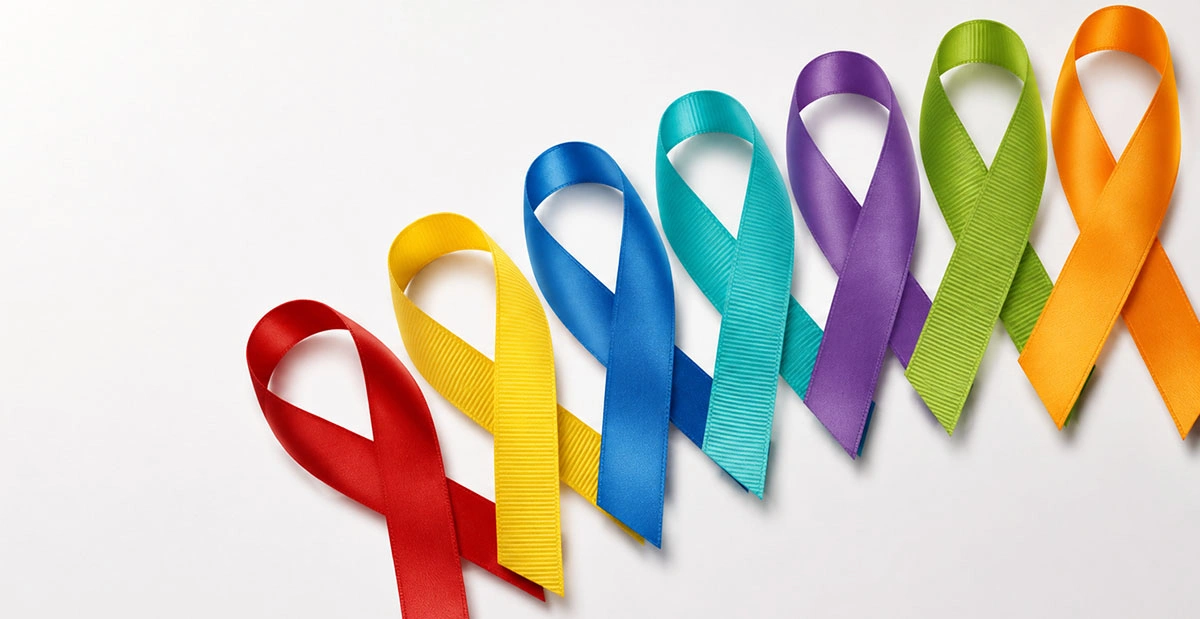
Each awareness ribbon colour carries a recognised meaning - red for cancer support and heart disease, yellow for suicide prevention, blue for child abuse prevention, orange for multiple sclerosis and leukemia, green for mental health, and purple for domestic violence and sexual assault awareness - all part of a pretty widely understood symbolic language.
|
Colore |
Causa Primaria |
Cause aggiuntive |
|---|---|---|
|
Rosso |
Cancer support, HIV/AIDS awareness |
Heart disease, substance abuse awareness |
|
Giallo |
Prevenzione del suicidio |
Missing children, military support, endometriosis |
|
Blu |
Prevenzione degli abusi sui minori |
Anti-bullying, acute respiratory distress syndrome (ARDS) |
|
Arancione |
Multiple sclerosis awareness |
Leukemia, ADHD, cultural diversity |
|
Verde |
Consapevolezza della salute mentale |
Cerebral palsy, organ donation, lyme disease |
|
Viola |
Domestic violence awareness |
Sexual assault awareness, lupus, Alzheimer's disease |
|
Rosa |
Consapevolezza del cancro al seno |
Birth parents, infant loss |
|
Nero |
Mourning and remembrance |
Anti-racism efforts, melanoma awareness |
|
Bianco |
Bone disease awareness |
Peace campaigns, child safety, white ribbon awareness campaigns and social causes |
|
Marrone |
Colon cancer awareness |
Tobacco awareness, anti-tobacco campaigns |
|
Teal |
Ovarian cancer awareness |
Cervical cancer, sexual assault awareness |
|
Grigio/Argento |
Brain cancer awareness |
Diabetes, asthma, mental illness |
You'll also notice that ribbon colour meanings can shift over time as new campaigns come along and grab hold. The pink ribbon, for example, originally represented several causes before the Susan G. Komen Foundation's breast cancer campaign made it the go to symbol for that cause back in the 1990s. If you're creating ribbons for a specific campaign, it's a good idea to check the current primary association for your target audience's region to make sure you're on the right track.
Blue ribbon awareness : supporting causes like acute respiratory distress syndrome
The blue ribbon has a whole host of associations attached to it. The most obvious place you'll see it is in child abuse prevention campaigns run by organisations like the Prevent Child Abuse America foundation, but it also gets used in anti-bullying awareness, for people suffering from ARD's ( acute respiratory distress syndrome), water safety campaigns, and several other causes. If you're planning on using blue ribbons for something, make sure to be clear in your messaging so that people know what you're trying to get across.
Orange ribbon awareness - they're a big supporter of multiple sclerosis
Orange is a pretty flexible colour when it comes to awareness ribbons - i.e. its associated with a whole bunch of different issues. Multiple sclerosis is probably the most well known, but it also gets used for leukemia awareness, ADHD support, addiction issues, and cultural diversity campaigns. There's something about orange that makes it stand out - it's visually striking and grabs peoples attention.
What do different coloured ribbons mean?
Each ribbon colour carries a primary cause: red for cancer support and heart disease, yellow for suicide prevention, blue for child abuse prevention, orange for multiple sclerosis and leukemia, green for mental health, purple for domestic violence, and teal for ovarian and cervical cancer. Some colours also represent specific health conditions and disorders, such as copd, lung disease, kidney cancer, bone cancer, uterine cancer, food allergies, congenital diaphragmatic hernia (cdh), and autism spectrum conditions. Meaning can also vary by region, with awareness colours recognised in countries including canada. Many colours carry secondary cause associations as well. See the full table in this guide for a complete reference.
Conclusione
Awareness ribbons have quietly become one of the most effective ways of getting a message across in public life. From that initial single red ribbon in 1991 to the system weve got today - with over 30 different colours representing all sorts of causes across health, identity and justice - its pretty clear that using something as simple as a coloured ribbon can be incredibly powerful. Yellow still gets linked to military troop support, suicide prevention, and that hostage symbolism that you might have seen before.
Whether your sourcing ribbons for a hospital awareness campaign, a community fundraiser, or a commercial product launch that just so happens to be tied to a cause, understanding the colour system gives you a real edge when it comes to making decisions that are going to resonate with people. Using the right colour can prompt people to take action - whether that means giving money, volunteering or just generally raising awareness about a particular issue. But getting it wrong can backfire big time. So, take your time and get it right first time.
If you want to see what other options are out there when it comes to ribbons, check out our guide to ribbon types. And if you're planning a custom job, our team can give you some advice on what kind of fabric, width and colour will be right for the job.