
Raso di seta vs raso di poliestere: qual è la differenza e qual è il migliore per l'approvvigionamento B2B?
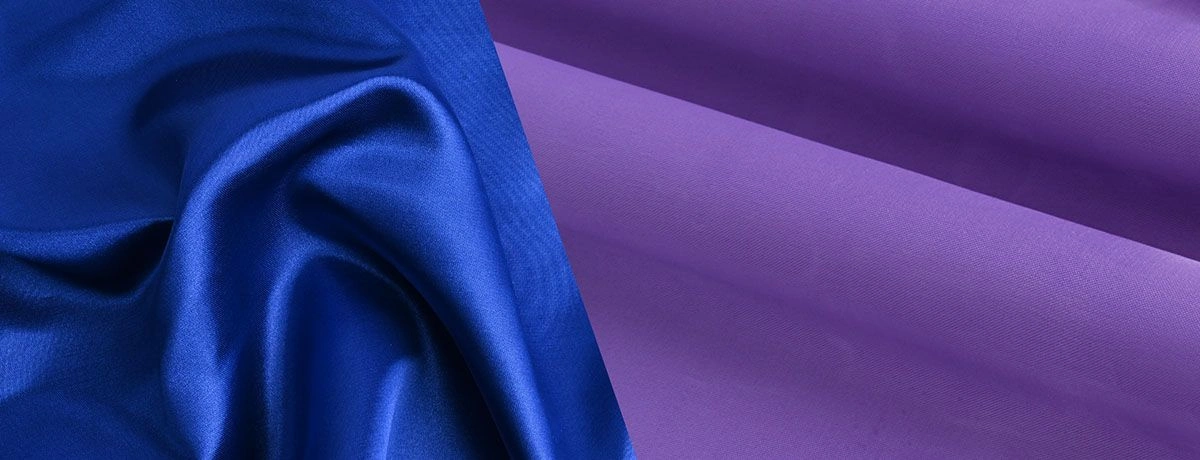
Choosing between silk satin and polyester satin is a business-strategy decision, not just a material one. It shapes your retail price, your customer's laundry routine, and your margin on every unit.
First, clear up the most common mix-up: silk is a fiber, satin is a weave. Silk comes from silkworms; satin is a glossy weave that can be made from silk, polyester, cotton, or acetate. So "silk satin" and "polyester satin" are the same weave built on two very different fibers.
Punti chiave
- Mulberry silk charmeuse wholesales around $80-120/m, while premium polyester satin runs $18-35/m — a 3-6x cost gap.
- Silk wins on skin/hair benefits, breathability, and luxury positioning; poliestere wins on durability, machine-wash care, and price.
- Silk is graded in mamma (19-25mm for bedding); polyester in GSM (90-140 for apparel).
- China produces roughly 74% of the world's raw silk, which sets the supply baseline for sourcing.
Why do luxury buyers still source pure silk satin?
Pure mulberry silk remains the gold standard, and the price reflects it: premium silk charmeuse sells for roughly $80-120 per meter versus $18-35 for premium synthetic satin. Silk is a natural fiber obtained from the cocoons of silkworms, and its higher price point comes from the complex production process, which is labor-intensive and keeps yields low and MOQs high.
So why pay the premium? Because silk does things polyester can't fake.
-
Skin and hair health. Silk is a natural protein fiber whose smooth surface reduces friction, while its amino acids help support skin and hair benefits, helping prevent hair breakage plus sleep wrinkles and other wrinkles from overnight friction. It's naturally hypoallergenic and resists dust mites, which sells well in the premium bedding and sleepwear market.
-
Regolazione della temperatura. Silk is breathable and temperature regulating: it can absorb moisture, help balance body temperature, retain heat in cold conditions, and stay comfortable in hot weather.
-
The luster. Silk's protein structure gives it a smooth texture and a luxurious finish, with a soft, shifting sheen that changes with the light. Buyers in bridal and high-end fashion pay for exactly that look.
The trade-off is care. Silk satin is best hand-washed or dry-cleaned, it spots with water, and its float yarns snag easily. For a product line, that means clear care labeling and customers who accept delicate handling.
When is polyester satin the smarter commercial choice?
For mass-market and fast-fashion lines, Tessuto in raso 100% poliestere usually wins on the numbers. It delivers the satin sheen at a fraction of silk's cost, and it's built to survive a washing machine. In wash-durability testing, polyester typically lasts far longer than protein-fiber silk before showing wear, thanks to higher abrasion, pilling, and snag resistance.
Polyester satin is a petroleum-based synthetic material made from synthetic fiber, and satin can also be made with nylon, with common specifications including Tessuto in raso 100% poliestere for women's wear and pajamas. Here's the commercial case:
-
Durability and easy care. It handles machine washing and tumble drying without losing shape, which suits bedding sets and apparel meant for frequent use. Silk is more delicate and can get stained easily, while polyester satin is generally more durable and easier to maintain.
-
Efficienza in termini di costi. At bulk China FOB pricing, polyester satin lands far below silk, opening up price points silk simply can't reach.
-
Engineered finishes. Many lower-cost satin fabric options use synthetic fiber blends to imitate silk's shiny appearance and reduce the "plastic" feel buyers used to complain about.
The honest cons: polyester traps heat (it can feel hot in bedding), builds static, and can hold odors. It can also snag or pill over time, creating ripples in the fabric when heavily worn. The static is the main objection in our experience, and it's the easiest to fix. An anti-static finish at the production stage brings the hand much closer to natural fabric.
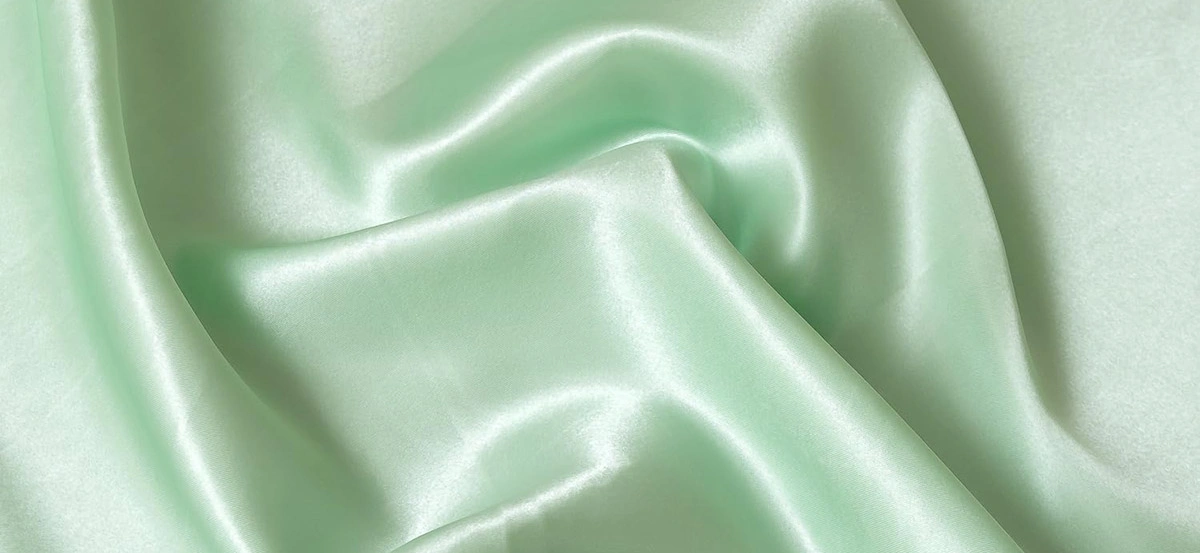
How do silk and polyester satin compare side by side?
Here's the direct comparison buyers ask for when building a Bill of Materials in a silk vs satin decision. We've added cotton, wool, and acetate satin so you can see where the hybrids fit. In this chart, synthetic satin means the satin weave is made from manmade fibers rather than silk.
| Caratteristica | Raso di seta | Poliestere satinato | Raso di cotone | Raso di lana | Acetato Raso |
|---|---|---|---|---|---|
| Tipo di fibra | Natural (protein) | Synthetic (polymer) | Natural (cellulose) | Natural (protein) | Semi sintetico |
| traspirabilità | Ottimo | Low (traps heat) | Buone | Good (warm) | Buone |
| Lucentezza | Soft, shifting luster | Glassy, intense gloss | Matte, low sheen | Soft, heavier drape | Morbido drappeggio, caduta pesante |
| statica | Basso | Alto (a meno che non venga trattato) | Basso | Basso | Basso |
| Cura | Hand wash / dry clean | Lavabile in lavatrice | Lavabile in lavatrice | Lavare a secco | Gentle wash / dry clean |
| Ideale per | Luxury sleepwear, bridal, high-end bedding | Fast fashion, bedding sets | Bedding, shirts, dresses | Formalwear, outerwear | Blouses, linings, dresses |
The difference between silk and polyester satin also shows up in sustainability: silk, when produced sustainably, is biodegradable and often more breathable and lower-impact than most fabrics in this comparison, while polyester is non-biodegradable and petroleum-based.
Acetate is the "secret weapon" for brands that want a natural-feeling drape without silk's price, while stretch knits like tessuto di seta del latte made from polyester and spandex offer another route to a smooth, drapey hand at accessible price points.
How do you read silk momme vs polyester GSM?
Silk and polyester use different weight systems, and mixing them up leads to wrong orders. Silk is graded in momme (mm); polyester is graded in GSM (grams per square meter).
For silk, the standard ranges buyers should know:
| Applicazione | mamma |
|---|---|
| Chiffon / ultra-light | 6-12 mm |
| Apparel (blouses, dresses) | 16-19 mm |
| Bedding (sheets, pillowcases) | 19-25 mm |
| Luxury / heavy drape | 25-30 mm |
Most quality silk bedding sits at 19-25 momme, which is not the same as cotton thread count, and the highest quality silk in this category is often marketed as highest quality Grade 6A. For polyester satin, expect roughly 70-100 GSM (lightweight), 90-140 GSM (standard apparel), and 140-220 GSM (heavy bridal). One caution: satin quality depends as much on denier, weave density, and finishing as on raw weight.
How can buyers tell real silk from polyester labeled as silk?
Mislabeling is a real sourcing risk when buying silk: some sellers pass polyester satin off as silk to exploit buyer confusion. To verify authenticity, buyers need to understand the difference between silk and satin, and the reliable field test is the burn test. Real silk burns slowly, smells like burnt hair, and self-extinguishes. Polyester smells like burnt plastic, melts into a hard bead, and keeps burning when pulled from the flame. This matters when buying silk because real silk usually costs about $25-$30 a yard, versus roughly $5-$10 a yard for polyester satin.
China dominates the supply side, producing roughly 74% of the world's raw silk and around 90% of exports, so most genuine silk programs trace back to Chinese mills regardless of the brand on the label. The safest path is to buy from a supplier who can document the fiber, trace silk threads back to cocoon-based records, and match it to a momme spec, and who can also supply high-quality fili per cucire in poliestere with full customization and certification for your broader product program.
Domande frequenti
Can polyester satin deliver the same benefits as silk?
Visually, mostly yes. A high-quality poly satin mimics the sheen and smooth hand. But the biological benefits, such as moisture absorption, its naturally antibacterial surface that makes it preferable to synthetic options for skin contact, and the natural protein structure that's gentle on skin and hair, can't be fully replicated by a synthetic. Silk also breathes and regulates temperature, and it does not absorb creams the way some fabrics can, so more of your nighttime skincare stays on your skin; polyester tends to trap heat over long wear.
Is satin a good choice for bedding?
Yes, both work. Silk sheets and silk pillowcases (19-25 momme) are the premium tier for breathability and reducing sleep wrinkles. High-quality woven polyester satin is a bestseller for durable, affordable bedding sets that keep their sheen after machine washing, though some sleepers find it warm.
How do I reduce static in polyester satin?
Static is common in synthetics because they hold little moisture. As a buyer, you can request an anti-static finishing agent applied during production, which brings the hand close to a natural fabric.
Choosing your satin
If you're building a luxury, skin-and-hair or bridal line, silk satin's properties suit premium positioning because it is more expensive than most other fabric options, owing to its unique harvesting process and the careful handling it requires. If you're targeting volume, durability, and a sharp price point, engineered polyester satin (with an anti-static finish) is the practical call. Acetate sits in between when you want natural drape without silk's cost, much like linen can be a benchmark for breathable bedding choices.
Whichever fiber you pick, color matching across a glossy surface is the next hurdle, since sheen makes mismatched threads obvious. At MH we supply silk, polyester, and acetate satin alongside the best filo per cucire industriale options for different applications plus matching zippers, and we can send a satin swatch kit so you can judge the hand before you commit.